
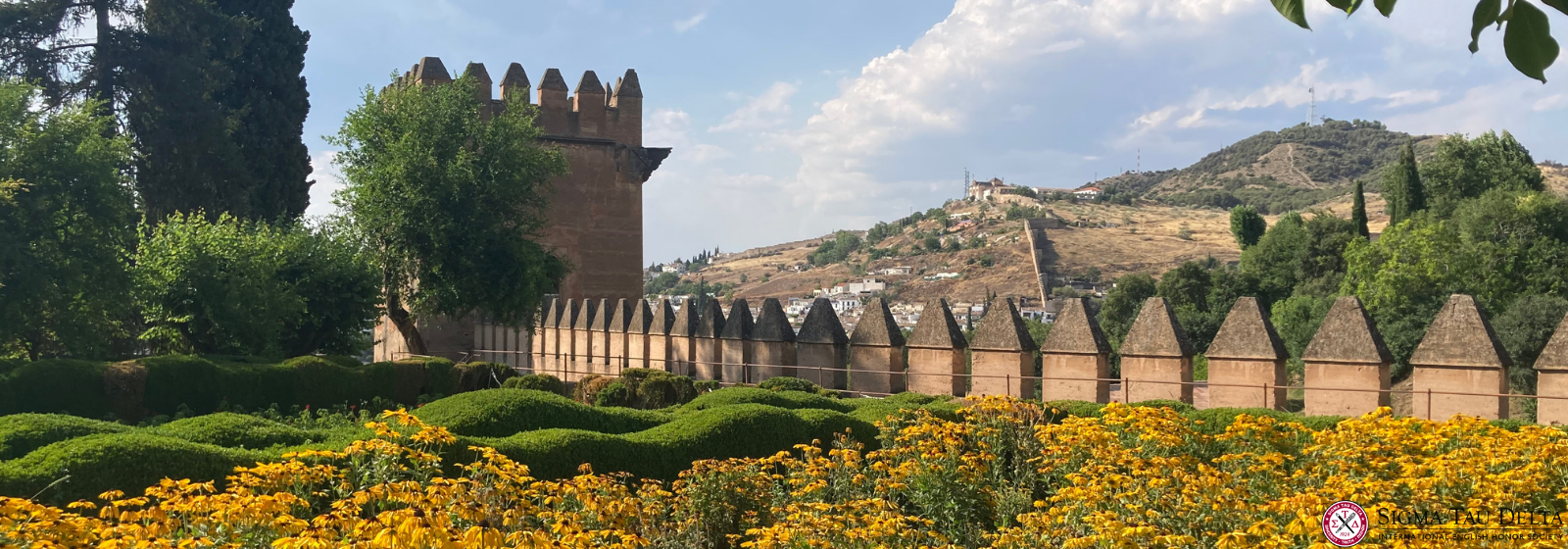
I’ve known I wanted to study abroad in Spain ever since my freshman year of high school. For the first four years of my language learning experience, I was taught by two Spanish women who had moved to rural Nebraska to teach. I was captivated by the stories they told of their homes, and just how much love and pride they had for their home country—something I knew I had to experience for myself. Recognizing my interest in Spanish, they both told me just how important it was to travel to a Spanish-speaking country to continue my studies. At the time, I thought mainly about fluency. What I did not realize was that learning another language would also open the door to an entirely new, unexpected world: Spanish literature.
When I arrived in Granada, Spain, I quickly discovered that my coursework was not what I had expected. I had hoped to take a class on fantastical literature but due to enrollment problems, I instead found myself taking a Spanish literature class and a Latin American literature class. While intimidating at first, these classes stretched my reading and writing abilities far more than I anticipated. I was introduced to writers and works that I would have not picked up organically, and I am all the better for it. I think one of the biggest impressions my classes have left on me involved my feelings about poetry. Normally, poetry is not a genre I gravitate toward, but when it comes to works in Spanish, it may just be my favorite. After all, how could I not fall in love with Federico García Lorca, Alejandra Pizarnik, and Pablo Neruda?
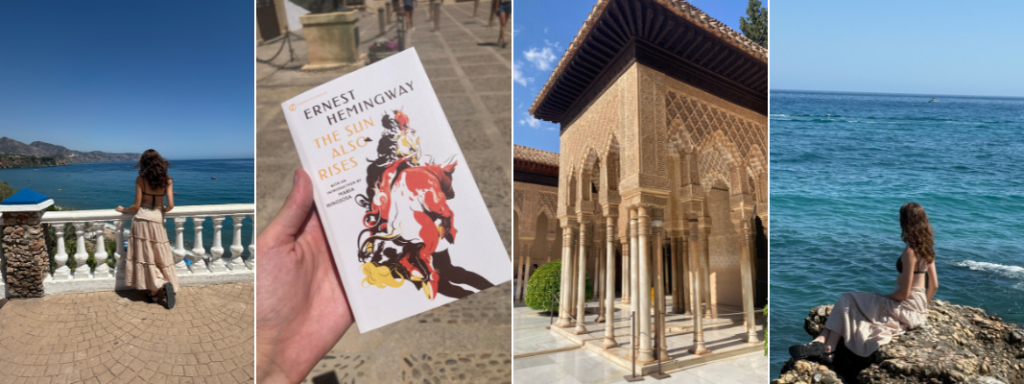
As an English major and aspiring writer, this experience reshaped the way I think about reading. As you all know, writers are shaped not only by what they write, but by what they consume. Learning to engage deeply with texts in another language widened my perspective, challenging me to think about form, rhythm, and wordplay in new ways. Magic realism, for example, carries a cultural weight in Latin American literature that cannot be divorced from the language itself. Grappling with those nuances gave me tools I will carry into my own creative work.
Of course, not every moment was easy. I often felt out of place among other students, many of whom were studying literature only to fulfill requirements. I missed the community of readers I have at my home university and Sigma Tau Delta chapter, where I am constantly surrounded by peers eager to analyze and discuss texts with the same enthusiasm I bring. At times, my passion for literature felt isolating rather than connecting. That feeling of disconnection was difficult, but it also pushed me to embrace who I am. By journaling and seeking out conversations with the few literature enthusiasts I could find, I was reminded that pursuing ideas deeply, even when it makes me stand out, is a strength.
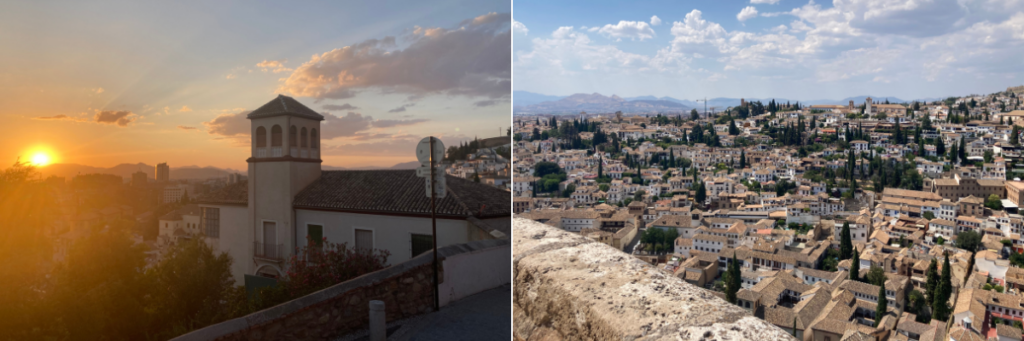
Ultimately, learning another language is not only about communication—it is about imagination. Reading and writing in Spanish has allowed me to step into new worlds, expand my creative toolkit, and gain insights I could not have reached in English alone. Granada was not always comfortable, but it was transformative. And for a writer, there is no greater gift than discovering new ways to see, feel, and tell the world’s stories, and I couldn’t have experienced that without the Sigma Tau Delta Short-Term Study Abroad Scholarship.

Abigail Trantham
Short-Term Study Abroad Scholarship Recipient, Spring 2025
Xi Beta Chapter
University of Nebraska Kearney, NE
Study Abroad Scholarships
The scholarship provides funding for the purpose of studying in a program that furthers the applicant’s engagement with Sigma Tau Delta’s mission. Students may apply for either a Long-Term or Short-Term scholarship. Applicants should demonstrate academic scholarship and chapter service; they also must explain the relevance of their study abroad program and activities to fostering the discipline of English, including literature, language, writing, or literacy.
Long-Term Study Abroad Scholarship
The Long-Term Study Abroad Scholarship provides up to $3,000 for students studying for a full academic term or year in a certified, undergraduate program outside the country in which the nominating chapter is located.
Short-Term Study Abroad Scholarship
The Short-Term Study Abroad Scholarship provides up to $1,500 to support participation in an undergraduate study-abroad program of less than an academic term. The program must be a certified, undergraduate program outside the country in which the nominating chapter is located.
Scholarship Eligibility Criteria
- Currently an undergraduate student
- Plan to study abroad in a certified undergraduate program for all or part of an academic term
All applications will be submitted via the AwardSpring Online submission process.
Application Deadline: March 16 – April 13, 2026, 4:00 p.m. CT
Past Study Abroad Scholarship Recipients
Pura Vida: My Four Months Studying Abroad in Costa Rica
Blooming from the Pages: Studying Abroad in Ireland
English Connections through Arcades and Gachapon Shops during a Study Abroad
Fulfilling a Fantasy Dream with a Study Abroad
English Connections through Arcades and Gachapon Shops during a Study Abroad
Lo Spirito Impressa: A Study Abroad Experience
Publishing, Passion, and Paris: My Study Abroad Experience in Paris
Studying Abroad: From Museums to Host Moms
Study Abroad, Or How to Succeed during the Unexpected
Study Abroad Scholarship Sparks Creativity in Nottingham
Study Abroad Scholarship: English Education in Maastricht
Study Abroad Scholarship: Royal Holloway-University of London
Study Abroad and Diversify Your College Experience
On Studying Abroad
Summer Stories from Abroad
Sigma Tau Delta
Sigma Tau Delta, International English Honor Society, was founded in 1924 at Dakota Wesleyan University. The Society strives to
- Confer distinction for high achievement in English language and literature in undergraduate, graduate, and professional studies;
- Provide, through its local chapters, cultural stimulation on college campuses and promote interest in literature and the English language in surrounding communities;
- Foster all aspects of the discipline of English, including literature, language, and writing;
- Promote exemplary character and good fellowship among its members;
- Exhibit high standards of academic excellence; and
- Serve society by fostering literacy.
With over 900 active chapters located in the United States and abroad, there are more than 1,000 Faculty Advisors, and approximately 9,000 members inducted annually.
Sigma Tau Delta also recognizes the accomplishments of professional writers who have contributed to the fields of language and literature.

